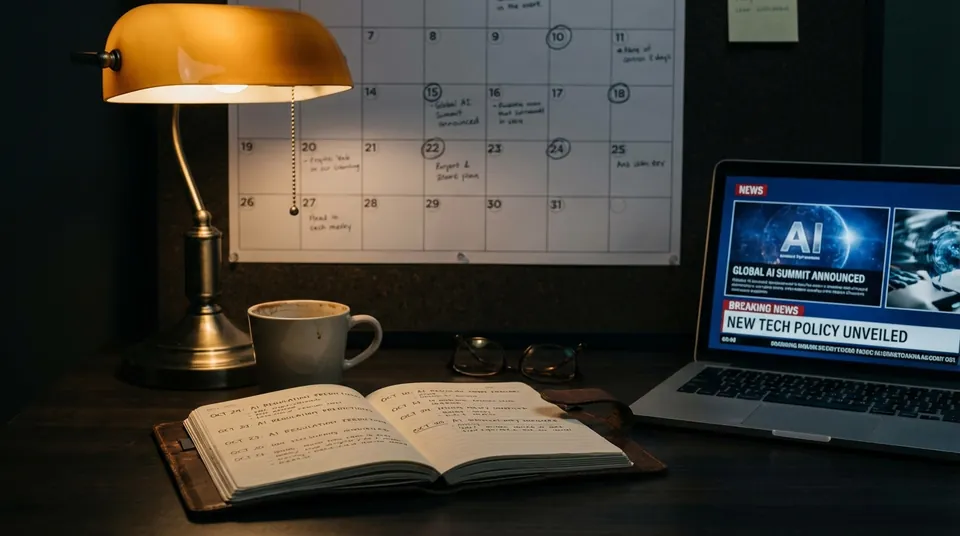
Jag sa det för ett år sedan
Nu skriver alla om kontextfönster. Jag är glad. Och lite frustrerad.
Inte för att jag vill ha cred. Det är inte det. Det är mer det där specifika obehaget av att ha sagt något länge, sett att folk inte riktigt lyssnade, och sedan se exakt samma sak börja dyka upp överallt -- formulerat av andra, i andra kanaler, till ett publik som nu är redo att ta emot det.
Det är inte illviljan. Det är att man undrar vad man hade kunnat göra annorlunda. Vad fan är det man missade?
Vad jag faktiskt sa
Jag körde workshops i slutet av 2024 och under 2025 där kontextfönster var ett av de ämnen deltagarna hade mest fundamentala missuppfattningar om. Organisationer tog beslut baserade på input-siffror. "100 000 tokens -- det måste räcka för hela kodbasen." Det räcker inte. Det handlar inte om kapacitet, det handlar om vad som faktiskt händer med informationen.
Tre konkreta saker jag sa, som nu börjar dyka upp i andras texter:
Att input-kapacitet och faktisk förståelsekapacitet är olika saker. Du kan stoppa in en miljon tokens, men det du faktiskt får användbar respons på är en bråkdel av det. Modellen degraderar -- inte dramatiskt, inte från noll till hundra, men konsekvent. Det som sades i mitten av ett långt sammanhang är statistiskt sett det som modellen hanterar sämst.
Att output-kapaciteten är den verkliga begränsningen ingen pratar om. Alla marknadsför input. Ingen marknadsför output. ChatGPT stoppar runt 4 000 tokens. Claude når 8--10 000 på en bra dag. Du kan fylla systemet med hur mycket du vill -- du kommer fortfarande att få tillbaka fem sidor oavsett hur mycket du stoppade in.
Att kostnadsskillnaden mellan att testa och att faktiskt använda är en storleksordning ingen förutsett. Gratisnivån är designad för att skapa beroende, inte för att utvärdera. Professionell användning kostar det professionell användning kostar. Det är inte ett problem med AI -- det är ett problem med att folk testar i ett läge och beslutar i ett annat.
Det är dessa tre saker. Konkreta. Verifierbara. Saker jag sa i workshops till grupper av senior developers och tekniska ledare under 2024 och 2025.
Varför ingen lyssnade
Det är lätt att vara bitter om det. Det är mer ärligt att säga att jag förmodligen hade fel om timing.
Marknaden var inte redo. Det är inte publiken man bör klandra när man är för tidigt ute. Smärtan var inte tillräckligt synlig. Kontextfönstret som problem uppstår inte förrän du faktiskt kört mot det i produktionsmiljöer, förklarat för en kund varför AI:n "glömde" instruktionerna från tre sidor sedan, sett kostnadsshocker när man gick från testmiljö till API. De erfarenheterna kräver tid. Marknaden hade inte hunnit skaffa dem.
Det är inte trevlig insikt. Men det är den korrekta.
Att vara tidig innebär att du talar till folk som ännu inte har det problem du löser. Du har svaret, men de har inte frågan ännu. Och det spelar ingen roll hur rätt du har -- timing är inte en akademisk fråga. Det är vad avgör om något faktiskt kommuniceras.
Frustrationen är riktig, och den är berättigad. Men den är inte effektiv att hålla i.
Vad det betyder nu
Att de nu skriver om det är inte ett hot. Det är ett tecken.
Marknaden rör sig. Det problem jag hade svar på för tolv månader sedan är nu tillräckligt synligt för att mainstream tech-media ska skriva om det. Det är validering -- inte av mig, utan av att det faktiskt var ett verkligt problem och inte ett konstgjort ett.
Och det ger en position att ta nu, snarare än att vänta ytterligare ett år.
Erfarenheten av att ha sett det komma, av att ha kört mot det i produktion, av att ha förklarat det till hundratals senior developers och sett vilka missuppfattningar som faktiskt fastnar och vilka som glider av -- den erfarenheten är inte replikerbar av någon som börjar skriva om det nu. Det är inte arrogans. Det är vad tolv månader av praktisk tillämpning ger.
Positionen är att säga: jag var här ett år innan det blev allmänt. Och det finns ett skäl till det.
Det jag säger nu som folk inte är redo för
Kontextfönster är historia. Eller snarare -- det är en lösad fråga nu när tillräckligt många börjar förstå begränsningarna. Det som kommer härnäst är det som inte har skrivits om ännu.
Röst som primärt ingångslager. Inte som feature, inte som convenience -- utan som det fundamentala sättet att fylla AI-system med information som faktiskt speglar verkligheten. Det ämnet är öppet på exakt samma sätt som kontextfönster var öppet för tolv månader sedan.
Och AI-orkestrering som yrkeskompetens. Inte som en fördel tidiga adopters har, utan som den grundläggande skillnaden mellan de som levererar och de som experimenterar. Det konversationen håller på att röra sig mot -- men inte är riktigt där ännu.
Om ett år kommer folk att skriva om det. Jag skriver om det nu.
Det är allt man kan göra när man är tidig: fortsätta säga det, med mer precision och mer bevis varje gång, tills marknaden hinner ikapp.
Och sedan inte vara bitter om att det tog ett år.
Se även: Du kan inte validera det du inte förstår (serie 6) och AI tvingar dig att tänka hårdare (serie 12).
Mindtastic om gapet mellan vad som demonstreras och vad som faktiskt levereras -- produktionsverkligheten del 1.