Mustaschmilen -- från röst till produktion
Den 27 mars 2026 öppnade anmälan till Mustaschmilen -- för andra gången.
Inte som en ny lansering. Som ett återöppnande av ett system som körde i produktion 2025, sedan förbättrades kontinuerligt under ett år, och nu är något fundamentalt annat än det var då.
Hur det började
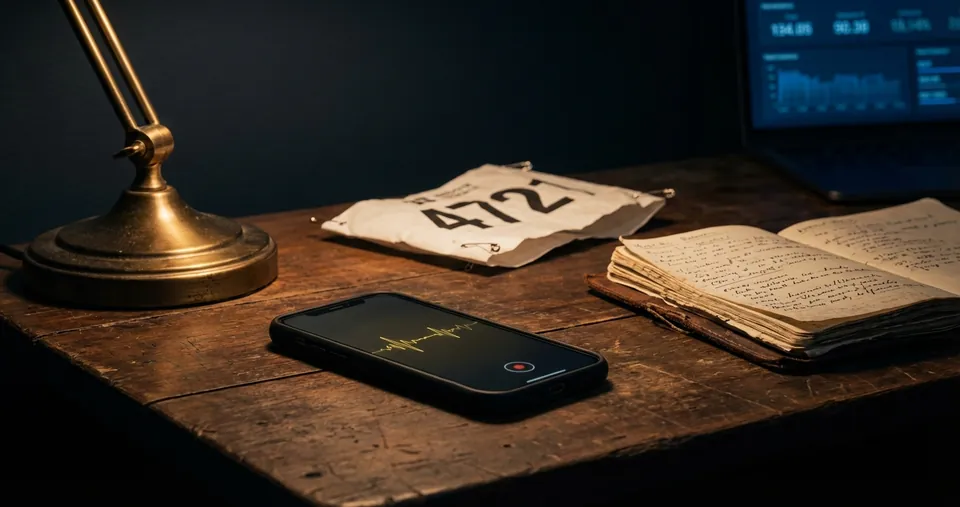
2025 byggde vi Tajmad -- anmälningsplattformen bakom Mustaschmilen -- utan en enda kravspecifikation. Ingen PowerPoint. Inget Jira-projekt. Det fanns ett samtal, en röstinspelning, en förståelse för vad evenemanget behövde. Och sedan ett system i produktion.
Det systemet fungerade. Det tog emot riktiga deltagare, hanterade riktiga betalningar, genererade riktiga kvitton. Men det var hårdkodat -- byggt för ett specifikt evenemang, med värden och logik inbakade direkt i koden. Tekniskt sett ett projekt, inte en plattform.
70+ förbättringar senare
Mellan den versionen och v1.15.12 som öppnade den 27 mars 2026 ligger över 70 förbättringar, fixes och tillägg. Inget ombyggnadsprojekt. Ingen re-spec. En obruten leveransrörelse där varje förändring hanterades med samma approach som originalet: identifiera vad som behövs, röstbeskrivning, AI-kodning, validering, produktion.
Det är det som syns i versionsnumret. Inte i en pressrelease.
Inget traditionellt mjukvaruprojekt levererar 70+ förbättringar på den tid och budget det här har tagit. Inte för att vi kodar snabbare -- utan för att varje förändring kostar en bråkdel av vad den kostar i en konventionell process. Det gör att förbättringar faktiskt genomförs istället för att hamna i en backlog som aldrig töms.
Vad plattformen är idag
Det som öppnade den 27 mars är inte längre ett hårdkodat eventsystem. Det är en fullt adminkonfigurerbar plattform:
Arrangören sätter upp evenemang, distanser med individuella deltagartak och datumstyrda pristrappor direkt i adminportalen -- utan att röra kod. Anpassningsbara formulärfält kopplade till specifikt evenemang eller distans. Tilläggsförsäljning i köpflödet: t-shirts med storleksval och produktbilder, Mustaschvän-donation till Mustaschkampen. Kortbetalning via T1K Pay och Swedbank Pay med automatisk momshantering -- 6% på anmälningsavgift, 25% på tillägg, i enlighet med svensk skattelagstiftning. SHA256-verifierade kvitton. Dynamiska bekräftelsemail där varje deltagare får rätt innehåll baserat på exakt vad de köpte. Publik startlista. Realtidsdashboard med UTM-kampanjspårning och konverteringsgrad per källa.
En ny arrangör innebär ett nytt konto och en isolerad databas -- inte ett nytt projekt. Tajmad driver idag Mustaschmilen, Seskarö Trailrun och andra evenemang från en gemensam installation. Deltagarna ser aldrig Tajmad; de ser arrangörens varumärke.
Från mars till november -- hela livscykeln
Det är lätt att tänka på ett anmälningssystem som "det man använder strax innan loppet". Mustaschmilen 2026 visar att det är fel.
Anmälan öppnade den 27 mars. Loppen går i november: Göteborg den 7:e på Åbytravet, Malmö den 14:e på Jägersro, Stockholm den 21:a på Solvalla. Det är sju månader av deltagardata, kommunikation och betalningsflöden som plattformen hanterar kontinuerligt -- inte bara på tävlingsdagen.
Distanserna är 5 km och 10 km. Barn springer ett eget 1 km-lopp. Den som inte kan delta fysiskt springer Mustaschmilen digitalt under hela november -- på valfri plats, i valfritt tempo, med GPS-spårning och personlig loppkod. Plattformen hanterar båda scenarierna i samma köpflöde och döljer automatiskt fält som inte är relevanta för det digitala formatet.
Det är den tidsdimensionen som gör systemet svårare att bygga än det ser ut. Datumstyrda pristrappor som slår om utan manuell hantering. Early bird som automatiskt övergår till ordinarie pris, ordinarie till sen anmälan. Deltagartak per distans som håller utan att behöva bevakas. Sju månaders kommunikation med deltagare vars köp ser olika ut. Allt autonomt, allt konfigurerbart, allt utan teknisk intervention.
En person kör det
En operatör hanterar hela Mustaschmilen-operationen. Deltagarhantering, betalningsavstämning, CSV-export till startlista, omskickning av bekräftelsemail -- allt tillgängligt utan teknisk kompetens.
Det är inte ett resultat av att vi snålat. Det är ett resultat av att systemet är byggt så att en person med rätt verktyg har full kontroll. Det är vad AI-first leverans faktiskt innebär: inte snabbare kod, utan system som kräver färre människor att underhålla.
Vad det betyder
Mustaschmilen 2026 är inte en lansering. Det är beviset på att modellen håller över tid.
Från hårdkodat event-projekt till konfigurerbar multi-tenant-plattform. Från version 1.0 till v1.15.12. Från ett evenemang till en plattform redo för vilken arrangör som helst. Allt utan att byta approach, utan att starta om, utan att skriva en kravspecifikation.
Se även: En person, tusen leveranser (serie 7) och Från samtal till sajt (serie 9).
Hela case studien: t1k.se/case-studies/tajmad